
Baker County Police Blotter
Baker County keeps police blotter records through the Baker County Sheriff's Office in Baker City. These records cover arrests, incidents, and calls for service across the county. Residents and the public can request copies of police blotter reports by contacting the Records Division. Baker County does not offer an online portal for searching records, so all requests go through the office directly. This page explains how to find and obtain Baker County police blotter data, what each report contains, and the steps involved in making a formal records request.
Baker County Quick Facts
What the Baker County Police Blotter Includes
Each police blotter entry from Baker County holds key details about an event. The officer's name and badge number appear at the top. A case number ties the report to internal tracking. Date, time, and location pin down where and when it happened. The narrative section tells the story of what took place, written by the responding officer. Witness details, subject and victim names, and any charges filed round out the record.
Booking records add more layers. They list mugshots, bail amounts, and court dates. These are helpful when you need a full picture of an arrest in Baker County.
Not all information is released. Medical details stay sealed. Trade secrets are kept out. Statements that would invade personal privacy get redacted. Active investigation files remain closed until the case wraps up. Oregon law under ORS 192 sets the rules for what must be disclosed and what can be withheld.
The Baker County Sheriff's Office image below shows the facility where records are maintained and processed.
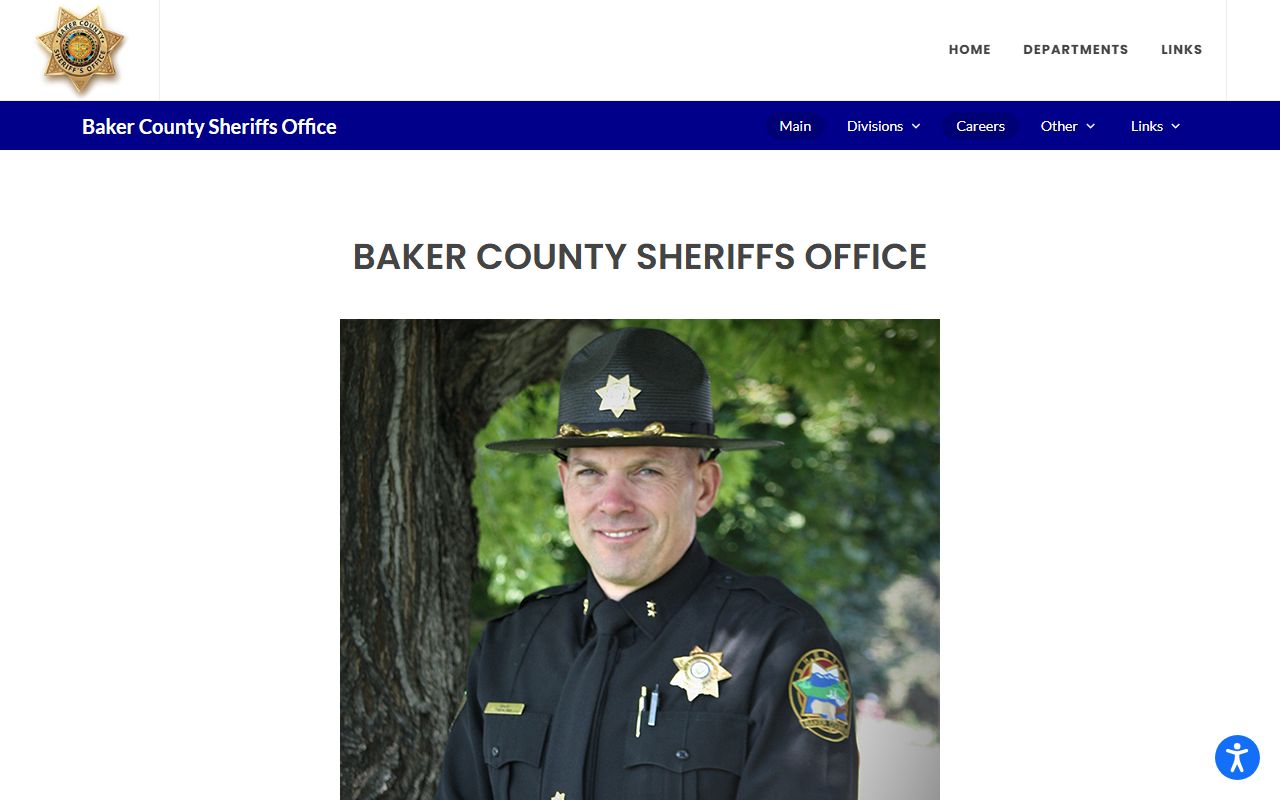
This office handles all police blotter requests for unincorporated Baker County areas.
How to Request Baker County Records
Start by filling out a Records Request Form. You can get one at the sheriff's office or ask for it by email at records@bakercountyor.gov. Once filled out, submit it by mail, in person, or by email. The office sits at 3410 K Street in Baker City. Staff will pull the records and let you know when they are ready. Fees are due at pickup, and they accept cash or check only.
Turnaround times vary. Simple requests often take a few days. Larger pulls can take longer, especially if the records need review for exempt content. The Oregon DOJ Public Records Manual outlines the response timeline agencies must follow.
Note: Baker County accepts cash or check only for records fees, so plan ahead before visiting the office.
Baker County Police Blotter Fee Schedule
Fees for Baker County police blotter records are set by the sheriff's office. They help cover the cost of staff time and copying. Here is a breakdown of what each type of record costs:
- Incident Report: $17 (or $22 if 5 or more pages)
- Booking Photo: $5 per image
- Photo CD: $25
- Call Logs: $10
- 911 Audio Recording: $25
- Contact Overview: $10
- Records Check: $10
Jail records cost $10 for standard requests. If a jail record runs 10 or more pages, the fee goes up to $15. These prices can change, so it is wise to confirm with the office before you submit your form.
Baker County Sheriff Contact Details
| Agency | Baker County Sheriff's Office |
|---|---|
| Address | 3410 K Street, Baker City, OR 97814 |
| Mailing | 3410 10th St, Baker City, OR 97814 |
| Phone | (541) 523-6415 |
| Fax | (541) 523-9219 |
| records@bakercountyor.gov | |
| Hours | Monday - Friday, 8:00 AM - 5:00 PM |
| Website | www.bakerpatrol.com |
Police Blotter Records and Oregon Public Records Law
Oregon's public records laws grant broad access to government documents, including police blotter data. ORS 192 is the main statute. It says that every person has a right to inspect public records. Law enforcement records fall under this umbrella, though certain exemptions apply.
The Baker County Sheriff's Office must respond to requests within a reasonable time. If a request is denied, the office must cite the specific legal reason. You can appeal a denial to the Oregon Public Records Advocate, who can help mediate disputes between requesters and agencies. This process is free.
Some records may be partially redacted rather than fully withheld. For example, a police blotter report from Baker County might include the incident narrative but block out a victim's home address. The goal is to release as much as the law allows while still protecting sensitive information.
Court Records in Baker County
Court records are separate from police blotter files. The circuit court in Baker County handles criminal cases, civil matters, and traffic violations. You can search for case information through Oregon eCourt, the state's online case lookup tool. It covers most court records across the state.
Criminal history checks go through a different channel. The Oregon State Police CJIS division runs background checks using fingerprints. This is a statewide service, not specific to Baker County, but it captures records from all Oregon jurisdictions.
Expungement of Baker County Records
Oregon allows certain records to be sealed under ORS 137.225. This process is called expungement. If a case in Baker County ended without a conviction, the waiting period is 60 days. Class B felonies require a 7-year wait. Class C felonies need 5 years. Misdemeanors require 3 years. Not all offenses qualify, so it helps to check the statute or consult a lawyer.
Once a record is expunged, it is removed from the police blotter and court system. Baker County law enforcement can no longer disclose it in standard records checks. The record still exists in sealed form but is not available to the public.
Note: Expungement timelines in Baker County follow state law, and eligibility depends on the charge and outcome of the case.
Tips for Searching Baker County Police Blotter Data
Have the case number ready. It speeds up the process. If you do not have one, provide the date and location of the incident. Names of involved parties also help narrow the search. The more detail you give, the faster the Baker County records staff can find what you need.
Walk-in requests at the Baker City office are often the quickest route. Email works well for simple asks. For larger or more detailed requests, mailing the form gives staff time to pull everything together. Keep a copy of your request for your own records.